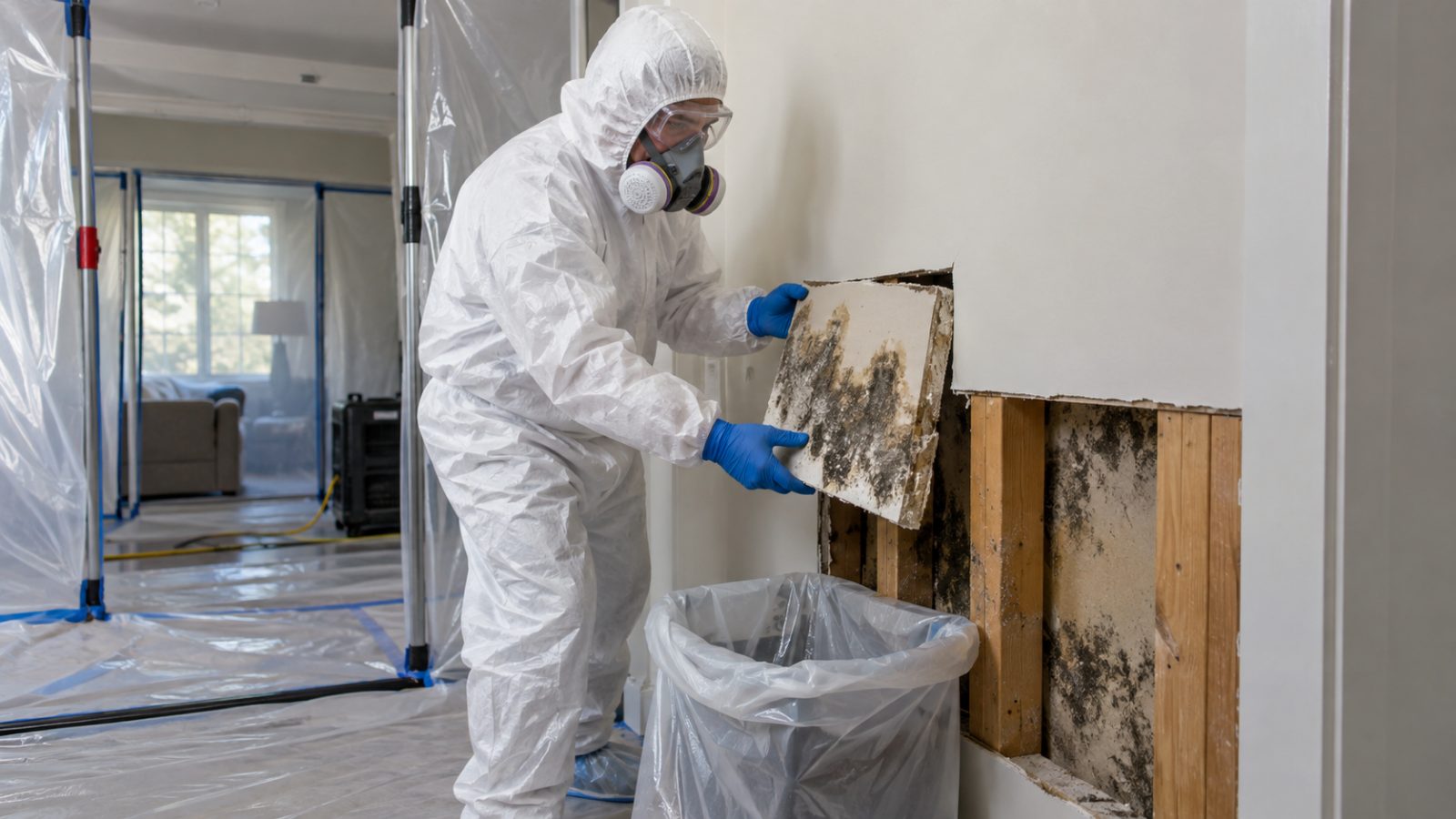
After Water Damage
Mold Remediation After Water Damage in Hagerstown
Had a leak or water event? Get a Free Estimate
After Water Damage
Had a leak or water event? Get a Free Estimate
Water damage can create favorable conditions for mold when building materials stay wet or damp. Leaking pipes, roof problems, appliance failures, basement water, and flooding can all leave moisture behind in places that are difficult to see.
Mold Remediation Hagerstown helps property owners address mold concerns after water damage in Hagerstown, Washington County, and surrounding areas. We focus on the affected materials, the current moisture conditions, and the steps needed to bring the space back to a cleaner and drier condition.
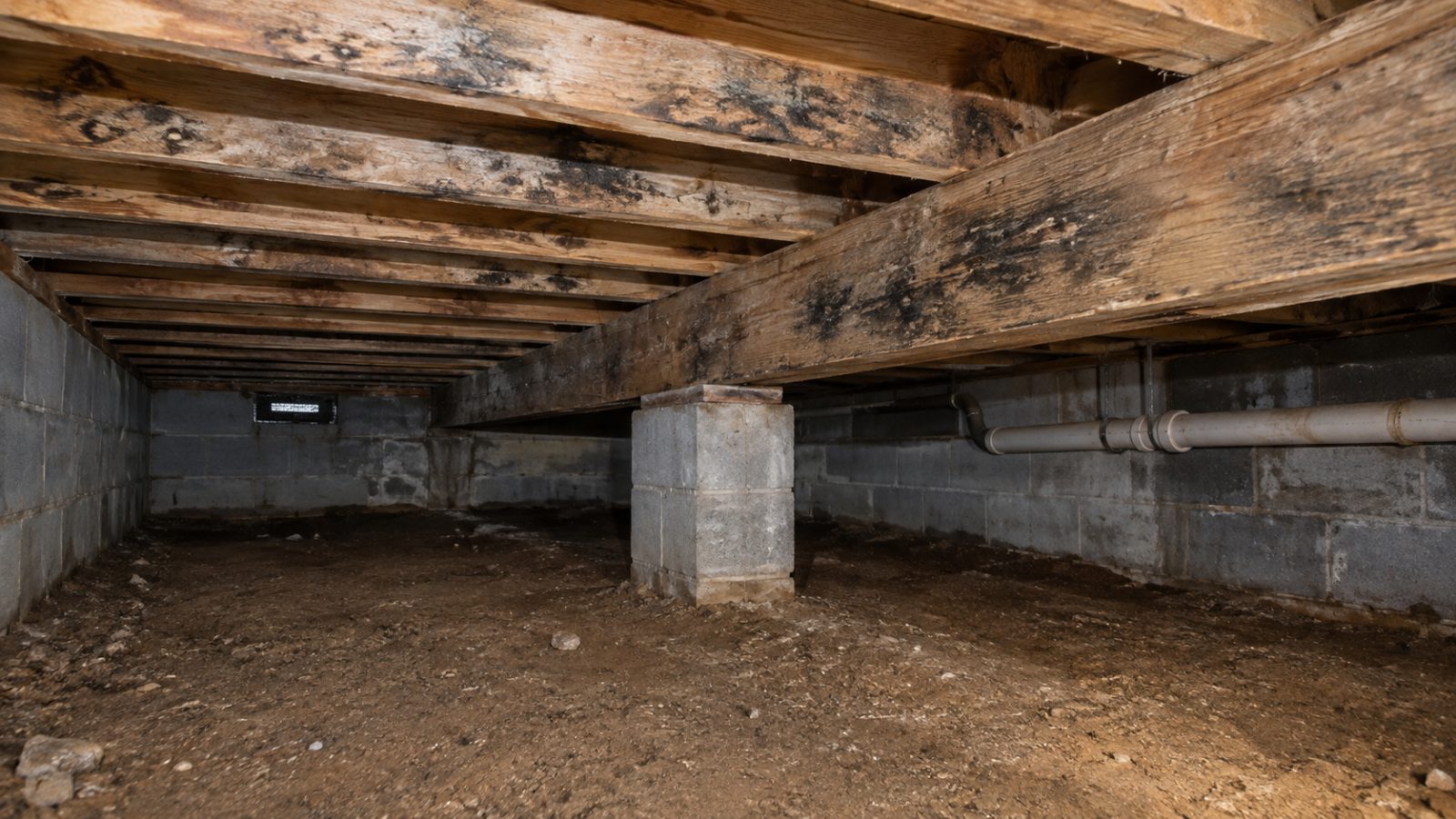
The sooner moisture conditions are understood and addressed, the easier it can be to keep a small problem from becoming a larger remediation project.
Leaks behind walls, under fixtures, or around appliances can leave hidden moisture that later supports mold growth.
Roof water can affect ceilings, attic materials, insulation, and framing.
Water intrusion and prolonged dampness in lower levels can contribute to mold on porous materials.
Flooded areas may require careful assessment of affected materials and moisture before remediation begins.
| Service | Estimated Cost |
|---|---|
| Small post-leak remediation | $500–$1,500 |
| Moderate water-damage mold remediation | $1,500–$4,000 |
| Extensive water-damage remediation | $4,000–$10,000+ |
These are general planning ranges, not quotes. The source and duration of the water event, affected materials, access, and remediation scope all affect actual cost.
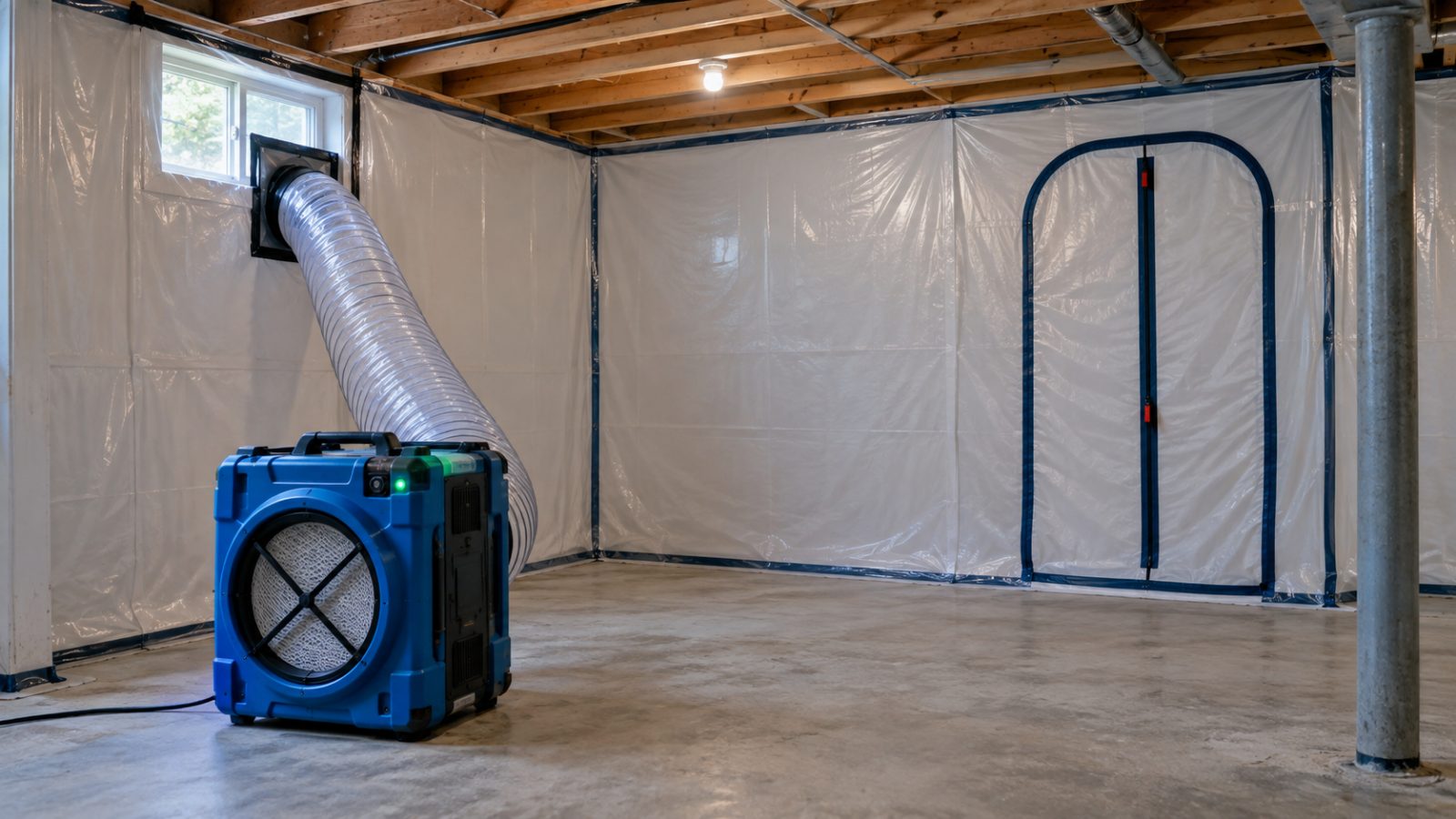
Understanding where water came from and where it traveled helps identify which areas deserve attention.
Different materials respond differently to moisture, so the remediation approach depends on what was actually affected.
After an unexpected water event, it can be difficult to know what needs to happen first. We explain the mold-related concerns in practical terms.
If your property recently experienced a leak, flooding, or significant water damage, to discuss possible mold concerns.
Free — no obligations
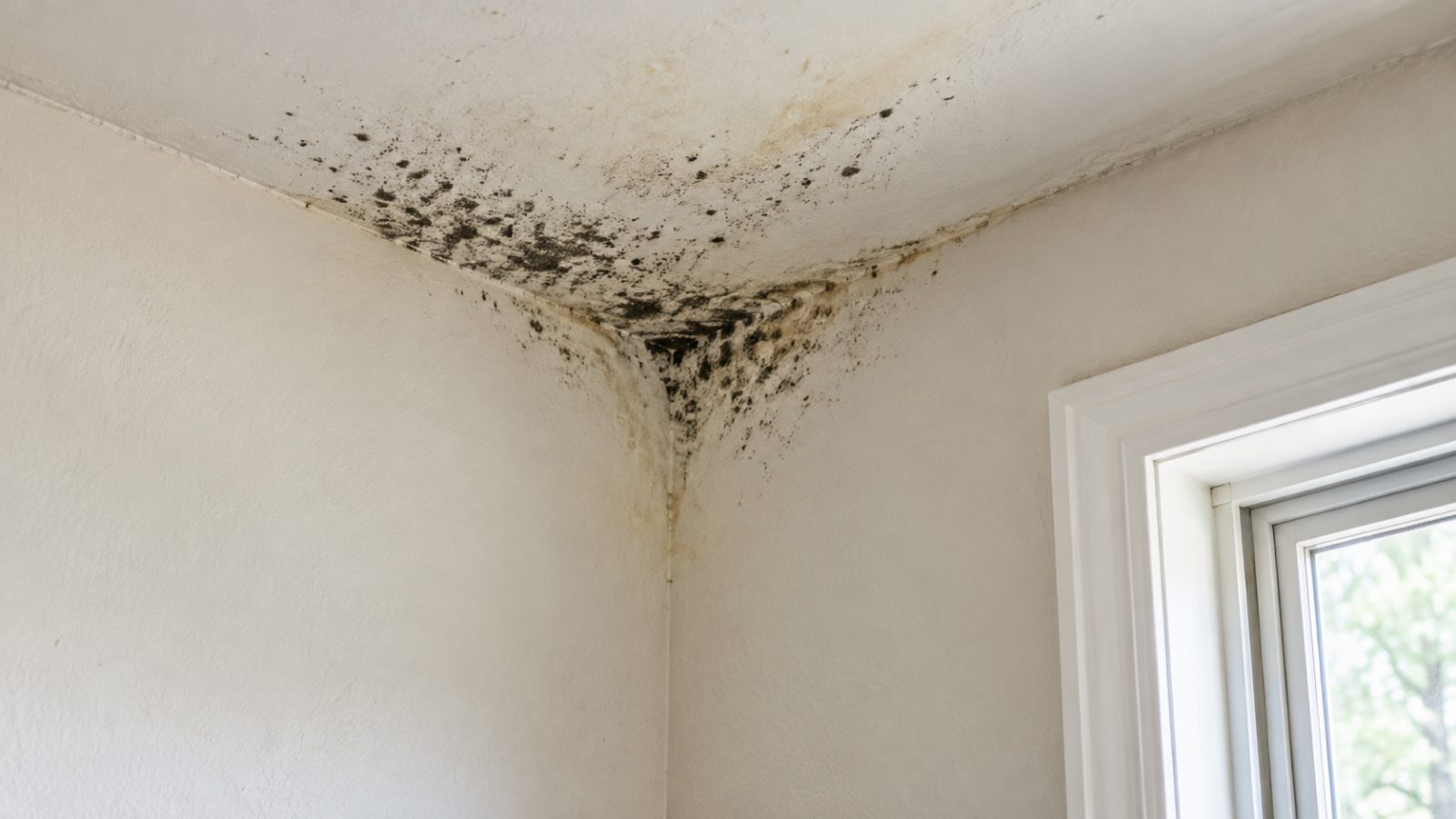
We learn where the water came from, what areas were affected, and how long the materials may have been exposed.
We examine affected areas for visible growth, damp materials, odors, and other indicators.
We identify the areas and materials that require attention and explain the recommended approach.
The agreed remediation work is performed with attention to affected materials and the surrounding property.